Type 2 Diabetes Diet Plan: How to Lower HbA1c Without Giving Up Everything You Love
A practical guide for type 2 diabetes — the plate method, choosing carbohydrates, meal timing, fibre and the everyday habits that help bring HbA1c down.
When people are first told they have type 2 diabetes, the first thing that comes to mind is a long list of forbidden foods: no rice, no bread, no fruit, no desserts. That picture makes long-term adherence almost impossible, which is why so many people give up after a few weeks. Modern clinical nutrition for diabetes is not built on deprivation but on understanding: what you eat, how much, when, and with what.
In this article we explain the scientific basis of an eating plan that helps steady blood glucose and improve HbA1c, with practical examples you can apply at home.
What happens in type 2 diabetes?
In type 2 diabetes, the body's cells respond less effectively to insulin — a state called insulin resistance — and over time insulin production itself may decline. As a result, the glucose released from digesting carbohydrates stays in the bloodstream for longer and at higher concentrations. That is why the type and quantity of carbohydrate, and what you eat alongside it, directly affect your glucose readings.
The good news is that insulin resistance improves noticeably with three things: losing some excess weight, particularly around the waist; regular physical activity; and a balanced eating pattern.
The plate method: the simplest and most powerful tool
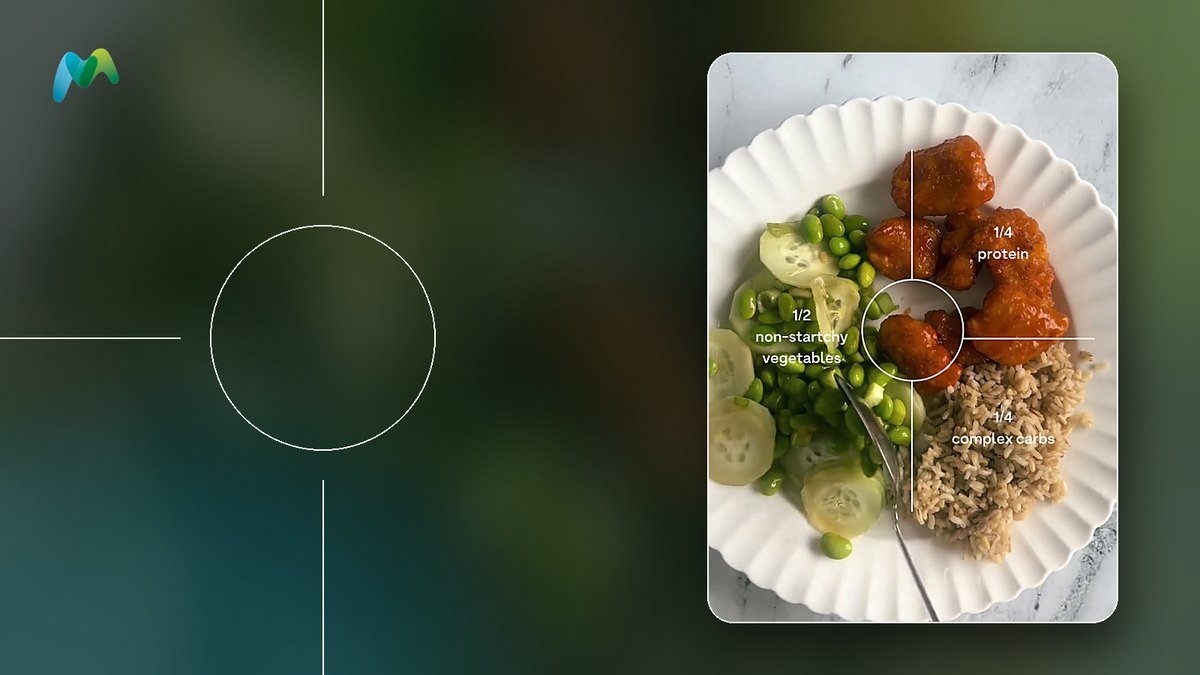
Instead of complicated calculations, we start most clients with the plate method, which is recommended by leading diabetes organisations:
- Half the plate: non-starchy vegetables such as cucumber, tomato, lettuce, courgette, broccoli, green beans and peppers.
- A quarter of the plate: lean protein such as chicken, fish, eggs, legumes or cottage cheese.
- A quarter of the plate: complex carbohydrates such as brown rice, bulgur, wholewheat pasta, boiled potatoes or wholegrain bread.
- Drink: water or other unsweetened drinks.
This method alone reduces the carbohydrate load of a meal without leaving you hungry, because vegetables and protein increase fullness and slow the absorption of glucose.
Not all carbohydrates are equal
Carbohydrates are not the enemy, but their type makes a big difference. Foods rich in fibre and less processed raise blood glucose gradually, while refined foods raise it quickly.
Better choices
- Whole oats instead of sweetened breakfast cereals.
- Wholegrain bread instead of white bread.
- Legumes such as lentils, beans and chickpeas, which combine carbohydrate, protein and fibre.
- Whole fruit instead of juice.
- Basmati or brown rice in measured portions instead of short-grain white rice.
Choices that need caution
- Soft drinks, packaged juices and even large amounts of fresh juice.
- Pastries, cakes and syrup-soaked desserts.
- Chips, fries and other deep-fried foods.
The order you eat in matters
A simple, research-backed trick is to start your meal with vegetables and salad, then protein, leaving starchy foods until last. This order can reduce the post-meal glucose spike compared with eating the carbohydrates first, without changing the amount of food at all.
How many meals per day?
There is no magic number that suits everyone. What matters is consistency and avoiding very large meals. Many people do well with three main meals and one or two snacks. People using insulin or certain tablets that can cause low blood sugar need a consistent carbohydrate distribution agreed with their doctor.
Smart snack ideas
- A small handful of unsalted nuts.
- Low-fat yoghurt with a spoonful of chia seeds.
- A small apple with a teaspoon of peanut butter.
- Cucumber and carrot sticks with hummus.
- A boiled egg.
Fruit: allowed or not?
Whole fruit is suitable for most people with diabetes; the issue is portion size and timing. One serving equals a medium apple, orange or pear, a cup of strawberries or watermelon, or about three small dates. It is best eaten as a snack alongside protein or healthy fat rather than straight after a large starchy meal.
Fibre: the forgotten ally
Aim for 25–35 g of fibre per day. Fibre slows glucose absorption, improves fullness and supports gut health and cholesterol levels. Good sources include vegetables, legumes, oats, whole grains, flaxseed, chia and fruit with the skin on.
Healthy fats and heart health
People with diabetes have a higher risk of heart disease, so the type of fat matters. Choose olive oil, nuts, avocado and oily fish such as salmon and sardines twice a week, and limit saturated fat from processed meats, ghee and fried foods.
Physical activity: half of the treatment
Exercise allows muscles to take up glucose from the blood even when insulin is not working well. The general recommendation is 150 minutes per week of moderate activity such as brisk walking, plus resistance training two to three times per week. Even a 10–15 minute walk after main meals can noticeably improve post-meal readings.
Sample day for type 2 diabetes
- Breakfast: fava beans with olive oil, a boiled egg, vegetables and half a wholegrain pita.
- Snack: low-fat yoghurt with a spoonful of oats and a few berries.
- Lunch: a large salad first, then grilled chicken, then 4–5 tablespoons of basmati rice.
- Snack: a small apple with 10 almonds.
- Dinner: cottage cheese with cucumber and tomato and a slice of wholegrain toast.
Fasting and diabetes
Fasting — for example during Ramadan — requires a medical assessment beforehand, because it is not advised for some people with diabetes. For those cleared by their doctor, the pre-dawn meal should be eaten as late as possible and contain protein and slow carbohydrates, the fast should be broken with a moderate meal, and glucose should be checked regularly, especially late in the day.
When should you see a nutritionist?
If your HbA1c is above target despite taking your medication, if you experience episodes of low blood sugar, or if you have related conditions such as fatty liver, high cholesterol or kidney problems, you need a personalised plan. A nutritionist reviews your labs, medication and lifestyle and builds a realistic plan in coordination with your physician.
The bottom line
Managing diabetes does not mean permanent deprivation; it means smart choices. A plate that is half vegetables, a quarter protein and a quarter complex carbohydrate, with enough fibre, regular activity and ongoing monitoring of your labs. Small changes, sustained over time, are what genuinely bring HbA1c down.
Note: this article is for general education and does not replace advice from your doctor. Never stop or change medication without consulting them.

A licensed sports and clinical nutrition specialist focused on athlete nutrition, competition preparation, post-injury nutritional rehabilitation, and nutrition for diabetes, liver disease and underweight clients.
Ask on WhatsApp ↗