How Much Protein Do Athletes Really Need? The Evidence-Based Guide to Building Muscle
Calculate your daily protein needs precisely for your body weight, goal and training — plus the best timing, sources and per-meal dose for muscle growth.
Protein is the nutrient athletes ask about most — and the one surrounded by the most myths. Some people eat enormous amounts believing "more is always better", while others never reach the minimum their body needs to recover. In this guide we put the scientific numbers in context, show you how to calculate your real requirement, and explain how to spread it across your day in a practical way.
Why do athletes need more protein than inactive people?
Training — especially resistance work and high-intensity sessions — causes microscopic damage to muscle fibres. After training, the body starts a repair and building process known as muscle protein synthesis, and that process depends on amino acids being available in the bloodstream. When protein intake is too low, recovery slows down, adaptations to training are blunted, and you may lose muscle, particularly during a fat-loss phase.
The general recommendation for non-athletes is around 0.8 g of protein per kilogram of body weight per day. That amount prevents deficiency, but it is not enough to support athletic performance or muscle growth.
The numbers: how many grams do you actually need?
The major sports nutrition organisations broadly agree on the following ranges:
- Athletes maintaining muscle and performance: 1.2–1.6 g per kg per day.
- Building muscle with resistance training: 1.6–2.2 g per kg per day.
- During a cut or fat-loss phase: needs may rise to 2.0–2.4 g per kg, because a calorie deficit increases the risk of losing muscle.
- Bodybuilders in the final stages of contest prep: some research supports 2.3–3.1 g per kg of fat-free mass.
Worked example: an 80 kg athlete lifting weights to build muscle needs roughly 130–175 g of protein per day. In a cutting phase, the same athlete may need around 160–190 g.
Does the amount per meal matter?
Yes. Research suggests muscle protein synthesis is maximised with around 0.3–0.4 g of protein per kg per meal — roughly 20–40 g for most people. Eating 100 g of protein in a single meal and almost nothing for the rest of the day is far less effective than spreading it out.
The practical rule we use with athletes:
- Divide your daily target across 4–5 meals.
- Aim for 25–40 g of protein per meal, depending on body size.
- Leave roughly 3–4 hours between protein feedings.
Protein timing: before or after training?
For years the "anabolic window" theory claimed you must drink a shake within 30 minutes of training or lose the benefit. More recent research shows the picture is broader: the most important factor is total daily protein, followed by an even distribution through the day.
That said, eating a protein-containing meal within about two hours either side of training is still a smart choice — especially if you train fasted or early in the morning. A slow-digesting protein before bed, such as Greek yoghurt or cottage cheese, may also support overnight recovery.
The best protein sources for athletes
Protein quality depends on its essential amino acid profile, particularly leucine, which acts as the "on switch" for muscle building.
High-quality animal sources
- Chicken and turkey breast: about 30 g of protein per 100 g cooked.
- Lean beef: about 26 g per 100 g.
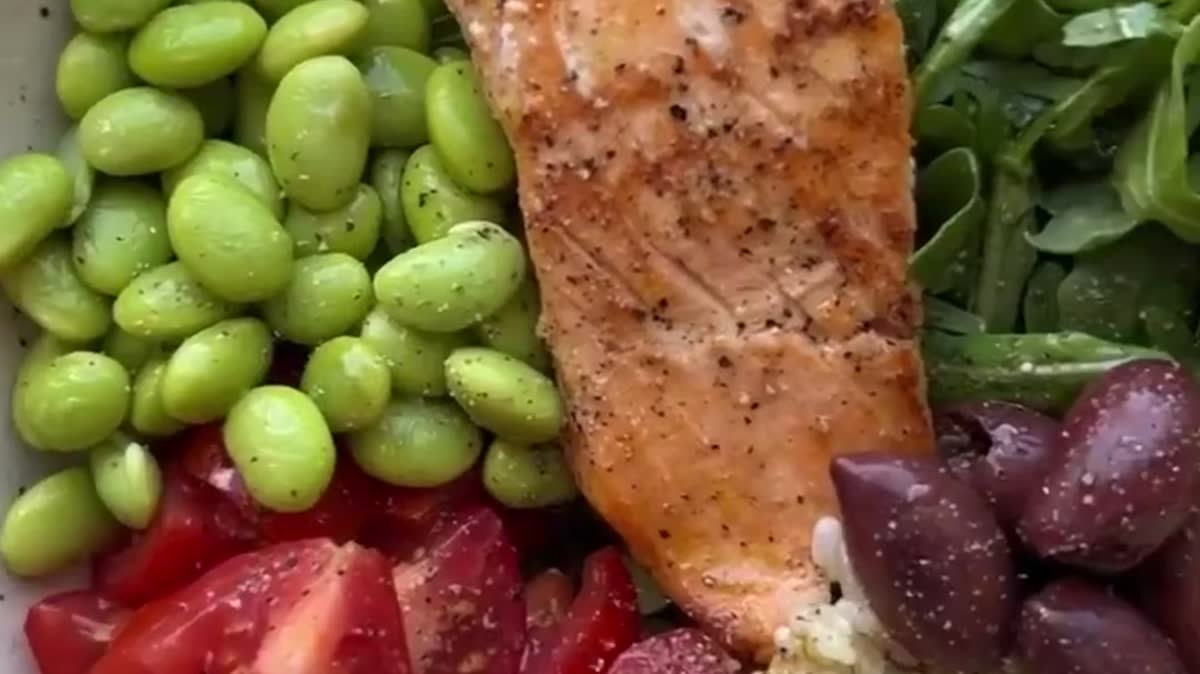
- Fish such as tuna, salmon and tilapia: 20–25 g per 100 g, with salmon adding omega-3 fats.
- Eggs: about 6 g per large egg.
- Dairy: Greek yoghurt, cottage cheese and milk.
Plant sources
- Lentils, fava beans and chickpeas: about 8–9 g per 100 g cooked.
- Soy and soy products such as tofu and edamame.
- Quinoa and oats as supporting sources.
Plant proteins usually contain less leucine, so vegetarian and vegan athletes benefit from a slightly higher total intake and a wide variety of sources.
Do you need protein supplements?
Whey protein is not magic — it is simply concentrated, convenient food. It is useful when:
- You struggle to hit your target from food alone.
- You need a quick option after training or during a busy workday.
- You are on a low-calorie plan and want high protein for few calories.
Choose products that are independently tested, because the supplement market contains mislabelled products and some contaminated with banned substances that can put a competitive athlete at risk of an anti-doping violation.
Is a high-protein diet bad for your kidneys?
In healthy people, there is no strong evidence that protein intakes within the ranges above harm the kidneys. The situation is very different for people with chronic kidney disease, who need a dedicated plan under medical supervision. That is why we always ask for kidney function tests before prescribing a high-protein plan to anyone with a relevant medical history.
Common mistakes athletes make
- Relying on one huge protein meal at the end of the day.
- Cutting carbohydrates completely, which pushes the body to burn protein for energy instead of using it to build.
- Confusing food weight with protein content — 100 g of chicken is not 100 g of protein.
- Over-relying on supplements at the expense of real food rich in vitamins and minerals.
- Not adjusting protein when the goal changes from bulking to cutting.
What about female athletes and athletes over forty?
Female athletes need broadly the same ranges calculated on their body weight, and the idea that protein will make them "bulky" is a myth — building large amounts of muscle requires a very different hormonal profile and training approach. Athletes over forty gradually become less responsive to protein, a phenomenon called anabolic resistance, so they benefit from raising the per-meal dose to around 0.4 g per kg and staying consistent with resistance training to protect muscle and bone.
Sample day for an 80 kg athlete
- Breakfast: 3 whole eggs plus 2 egg whites with oats and milk — about 35 g protein.
- Lunch: 180 g chicken breast with rice and vegetables — about 50 g.
- Post-training: Greek yoghurt with fruit, or a whey shake — about 30 g.
- Dinner: 150 g fish with potatoes and salad — about 35 g.
- Before bed: cottage cheese — about 20 g.
That totals roughly 170 g of protein, distributed intelligently across the day.
The bottom line
Your protein requirement depends on your body weight, goal, type of training and phase of the season. For most athletes who want to build muscle, the sweet spot is 1.6–2.2 g per kg per day, spread over 4–5 meals of 25–40 g each. Because every body is different, the best results come from a personalised plan that accounts for your labs, training schedule and food preferences.
Want a protein plan calculated precisely for your body and sport? Get in touch for a free initial assessment.

A licensed sports and clinical nutrition specialist focused on athlete nutrition, competition preparation, post-injury nutritional rehabilitation, and nutrition for diabetes, liver disease and underweight clients.
Ask on WhatsApp ↗