Fatty Liver Diet: An Evidence-Based Plan to Reduce Liver Fat and Improve Enzymes
Fatty liver can improve with nutrition. Learn how much weight to lose, which foods help and harm, and what a liver-friendly day of eating looks like.
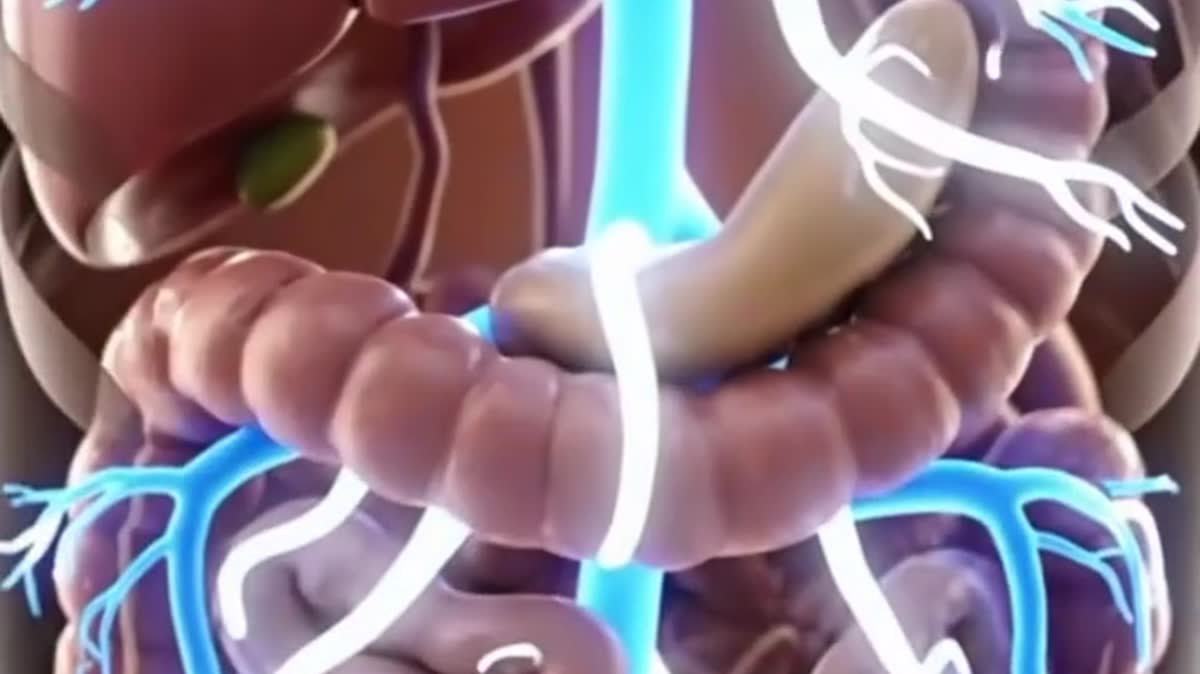
Fatty liver disease has become one of the most common liver conditions worldwide, and it is especially widespread in the Middle East. It is closely linked to excess weight, insulin resistance, diabetes and high triglycerides, and is now officially called metabolic dysfunction-associated steatotic liver disease (MASLD). The challenge is that it rarely causes obvious symptoms early on, so many people only discover it by chance on an abdominal ultrasound or a routine liver enzyme test.
The most important message: fatty liver is one of the few conditions that can improve dramatically — and, in its early stages, even regress — through nutrition and lifestyle.
How does fatty liver develop?
When the body takes in more energy than it needs, particularly from added sugars and saturated fat, and insulin resistance is present, the liver begins storing fat inside its cells. Over time this can trigger inflammation and, in advanced stages, scarring known as fibrosis. That is why early action makes such a difference.
Goal number one: gradual, deliberate weight loss
Research and clinical guidelines offer clear targets for people carrying excess weight:
- Losing 5% of body weight noticeably reduces liver fat.
- Losing 7–10% improves inflammation and liver enzymes.
- Losing 10% or more may help improve fibrosis in some cases.
Example: for someone weighing 100 kg, losing just 7–10 kg can make a significant difference to liver health.
But be careful: very rapid weight loss through crash diets can actually harm the liver. A safe rate is usually 0.5–1 kg per week.
The best eating pattern for the liver: Mediterranean
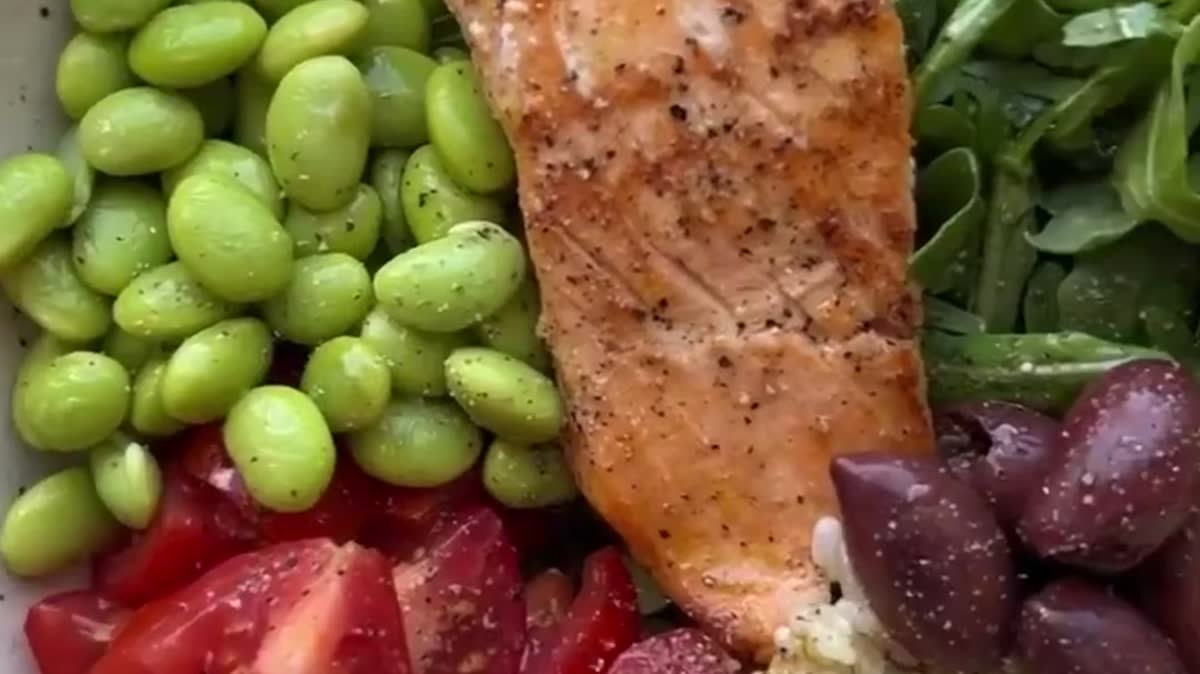
The Mediterranean diet is the most studied and most recommended pattern for fatty liver disease. It is built on:
- Plenty of vegetables and fruit.
- Whole grains and legumes.
- Olive oil as the main source of fat.
- Fish two to three times a week.
- Nuts in moderate amounts.
- Limited red and processed meat.
This pattern improves insulin sensitivity and reduces inflammation, even before significant weight loss.
Added sugar and fructose: enemy number one
The liver is the main organ that processes added fructose, found in soft drinks, packaged juices, sweets and high-fructose corn syrup. Excess intake directly stimulates the liver to make fat. So the first practical step we ask of every client is:
- Stop soft drinks and sweetened juices completely.
- Gradually reduce added sugar in tea and coffee.
- Keep desserts for occasional treats.
Important: whole fruit is not treated like added sugar. It contains fibre, water and antioxidants, and can be enjoyed in moderate amounts.
Foods and drinks that support liver health
- Coffee: several studies link unsweetened coffee with a lower risk of liver disease progression; most people can enjoy two to three cups a day unless their doctor advises otherwise.
- Oily fish: rich in omega-3 fats, which may help lower triglycerides.
- Leafy greens and broccoli: high in fibre and antioxidants.
- Legumes and oats: fibre that improves fullness and blood glucose.
- Olive oil and nuts: beneficial unsaturated fats.
Foods to limit
- Sweetened drinks and packaged juices.
- White bread, pastries and syrupy desserts.
- Fried foods and fast food.
- Processed meats such as luncheon meat and sausages.
- Alcohol, which should be avoided entirely by anyone with liver disease.
Protein and liver disease
In simple fatty liver, adequate protein — around 1.0–1.2 g per kg — helps preserve muscle during weight loss. Cirrhosis is a completely different situation: people with cirrhosis are at high risk of muscle loss and malnutrition, and often need more protein, frequent meals and a late-evening snack, all under the supervision of their hepatologist. A standard weight-loss diet should never be applied to someone with cirrhosis.
The role of physical activity
Exercise reduces liver fat even when body weight barely changes. Start with 30 minutes of brisk walking on most days, and add resistance training twice a week to preserve muscle and improve insulin sensitivity.
Can slim people have fatty liver?
Yes — and it surprises many people. Some individuals with a normal body weight develop fatty liver because of visceral fat, insulin resistance, high intake of added sugar and sweet drinks, or low activity and low muscle mass. In these cases the goal is not major weight loss but better food quality, less added sugar and more muscle through resistance training, with a modest reduction in waist size if needed.
What about supplements?
Many clients ask about herbs and "liver detox" products. Most have no strong scientific evidence behind them, and some can actually damage the liver. Any supplement — even vitamins — should only be taken after consulting your doctor.
A liver-friendly sample day
- Breakfast: oats cooked in low-fat milk with a spoonful of nuts and half a cup of berries, plus unsweetened coffee.
- Snack: cucumber and carrot sticks with two tablespoons of hummus.
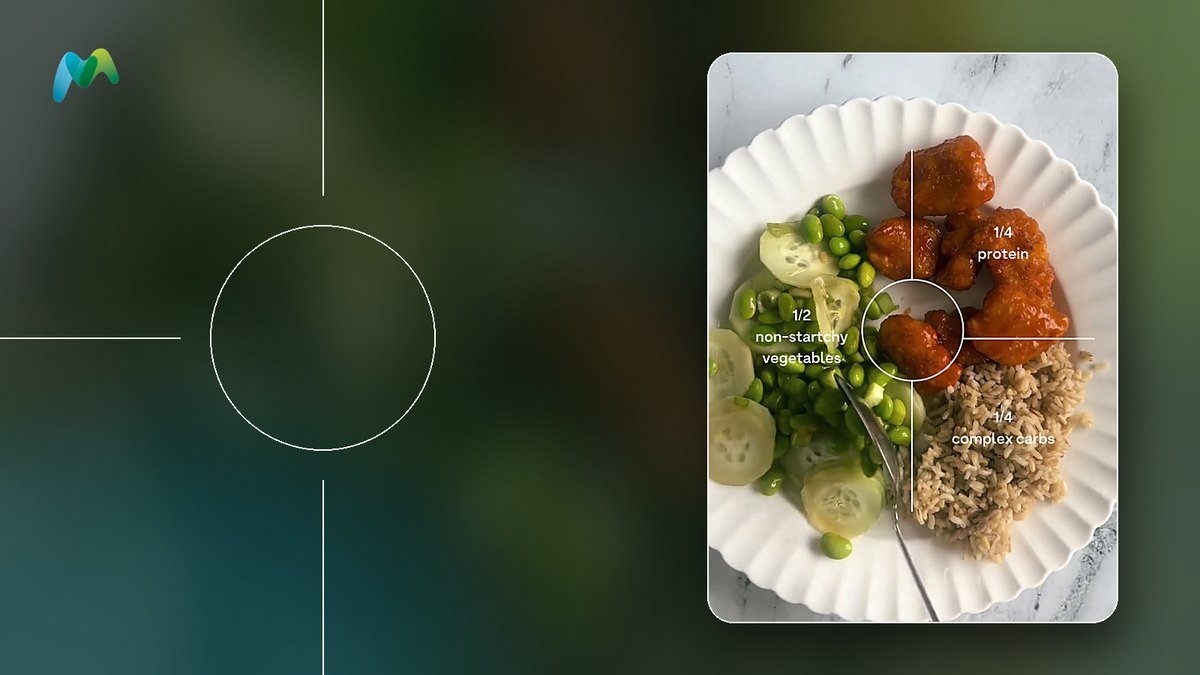
- Lunch: grilled fish with a large olive-oil salad and a moderate portion of bulgur.
- Snack: low-fat yoghurt with a piece of fruit.
- Dinner: lentil soup with a green salad.
The tests we monitor
We review liver enzymes, triglycerides and cholesterol, fasting glucose and HbA1c, and ultrasound results as directed by the physician, while tracking waist circumference and body fat. This monitoring tells us whether the plan is working or needs adjusting.
When do results appear?
With consistent adherence, many clients see improved liver enzymes within three to six months, while ultrasound improvements usually take longer. Consistency matters more than speed — every kilogram lost the right way is a real gain for your liver.
The bottom line
Fatty liver is a warning signal from the body, but it is one you can respond to. Gradual loss of 7–10% of body weight, a Mediterranean-style diet, cutting sugary drinks and regular physical activity are the pillars of nutritional treatment. Any advanced case, or one with fibrosis, needs a dedicated plan coordinated with a liver specialist.
Note: this article is for general education and does not replace follow-up with your hepatologist.

A licensed sports and clinical nutrition specialist focused on athlete nutrition, competition preparation, post-injury nutritional rehabilitation, and nutrition for diabetes, liver disease and underweight clients.
Ask on WhatsApp ↗