Lose Fat Without Losing Muscle: A Step-by-Step Guide to a Healthy Cut
How to lose fat and keep your muscle: setting a calorie deficit, high protein, resistance training, smart cardio and what to do when the scale stops moving.
"I want to lose weight" hides a common mistake. For most people, the real goal is not just a lower number on the scale but less fat, preserved muscle, a better physique and better health. Crash diets may move the scale quickly, but much of what you lose is water and muscle — leaving you weaker, with a slower metabolism and a fast rebound. In this article we explain the scientific way to cut.
Weight is not the same as fat
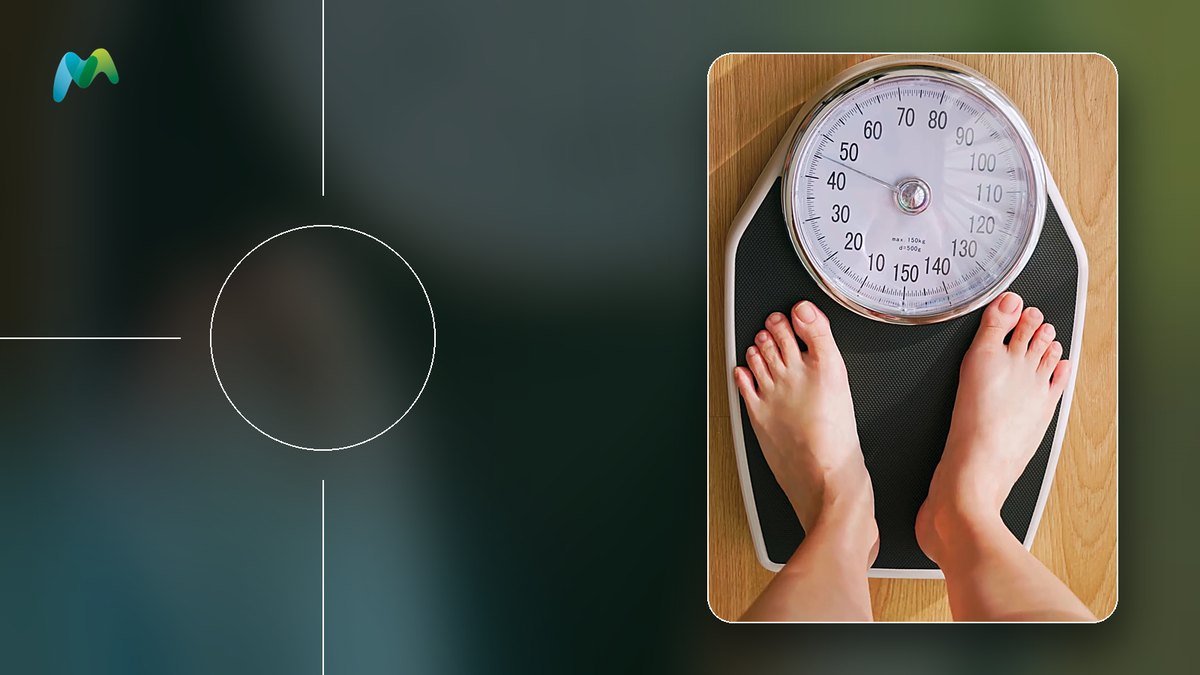
The number on the scale is the sum of muscle, fat, bone, water and gut contents. That is why it can swing by a kilogram or more in a day because of water, salt and carbohydrate alone. We therefore track progress with several markers: the weekly average weight, waist measurement, photos, body-fat estimates where possible, and training performance.
Step one: a moderate calorie deficit
There is no fat loss without a calorie deficit — eating less than you burn. But the size of the deficit decides whether you lose fat or muscle:
- A deficit of 300–500 calories per day suits most people.
- Target rate: about 0.5–1% of body weight per week.
- People with higher body fat can lose slightly faster at first; leaner people need a slower pace.
A very large deficit increases hunger, drains energy and performance, raises the risk of muscle loss and makes adherence almost impossible.
Step two: high protein
Protein is the most important nutrient during a cut for three reasons:
- It protects muscle from breakdown during the deficit.
- It is more filling than carbohydrate or fat.
- The body uses more energy to digest it than other nutrients.
Practical recommendation: 1.8–2.4 g per kg per day while cutting, spread across 3–5 meals.
Step three: resistance training is not optional
Many people focus only on cardio when cutting, and that is a big mistake. Resistance training is the signal that tells your body your muscle is still needed, so it holds on to it. Keep lifting three to four times a week and try to maintain the weights you use as much as possible.
Step four: cardio and daily movement
Cardio is a useful tool for increasing energy expenditure and improving heart health, but there is an even bigger factor most people ignore: non-exercise activity such as walking, taking the stairs and household tasks. This movement can burn more calories than the cardio session itself.
Practical tip: set a daily step target — for example 8,000–10,000 steps — keep it consistent, and only add cardio gradually when progress stalls.
Carbs and fats: no need to cut them out
There is no single magic diet. Keto, low-carb and balanced approaches all work if they create a deficit, include enough protein and are sustainable. Choose the style you can stick with. For athletes, though, we usually prefer keeping a good amount of carbohydrate around training to support performance.
The plate method for cutting
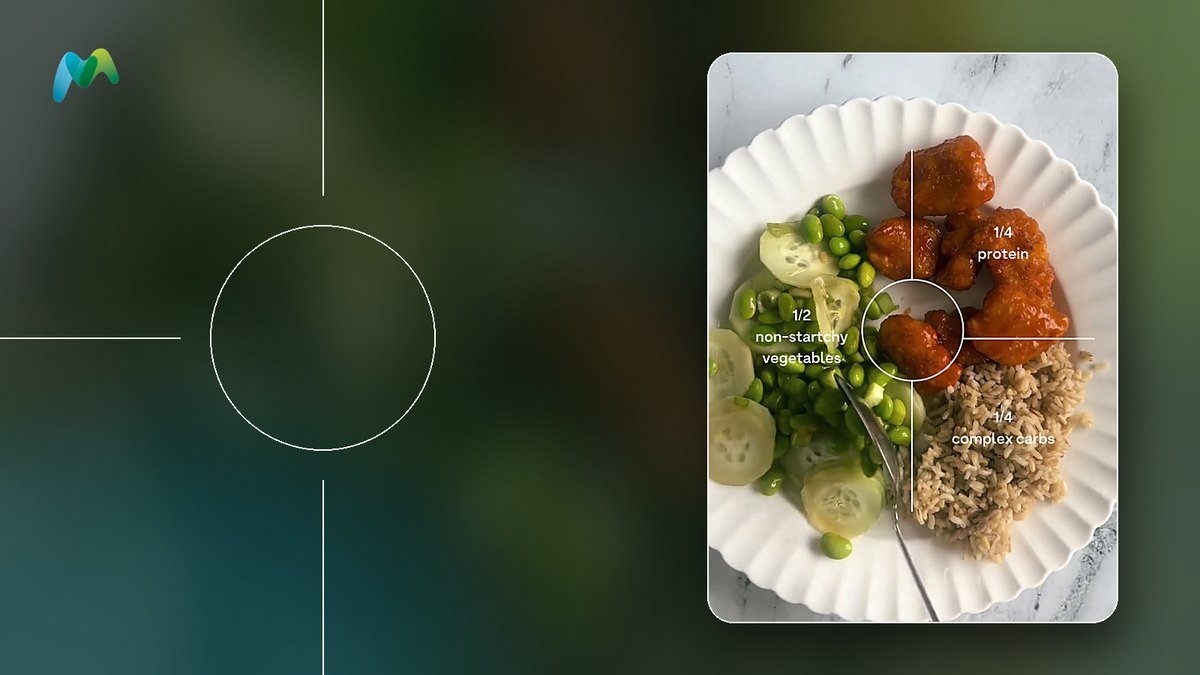
If you don't want to count calories, the plate method is an excellent tool:
- Half the plate: a variety of vegetables.
- A quarter: a palm-sized portion of protein or slightly more.
- A quarter: a fist-sized portion of complex carbohydrate.
- One teaspoon of healthy fat such as olive oil.
Managing hunger
- Start meals with salad or soup.
- Choose high-volume, lower-calorie foods such as vegetables, whole fruit and boiled potatoes.
- Don't drink your calories from juices and sweetened drinks.
- Sleep well — poor sleep raises hunger hormones and sugar cravings.
- Plan protein-rich snacks such as yoghurt, cottage cheese and eggs.
Plateaus: why the scale stops moving
Plateaus are a normal part of any cut. The most common causes:
- Water retention: from salt, stress, poor sleep or the menstrual cycle, which can mask fat loss for days.
- Gradual drift in adherence: slightly bigger portions, untracked snacks and open weekends.
- Lower expenditure as you lose weight: a smaller body needs fewer calories, and daily movement often drops without you noticing.
The fix: look at at least a two-week average before judging, review adherence honestly, then make a small adjustment — such as cutting 100–150 calories or adding 2,000 steps a day.
Sample cutting day
- Breakfast: omelette with two eggs and two egg whites, vegetables and a slice of wholegrain toast.
- Snack: Greek yoghurt with berries.
- Lunch: grilled chicken with a large salad and 4 tablespoons of rice.
- Pre-workout: an apple with cottage cheese.
- Dinner: grilled fish with sautéed vegetables and a small boiled potato.
After you reach your goal
The biggest challenge is not losing the fat but keeping it off. We raise calories gradually back to maintenance, keep up resistance training and daily movement, and hold on to the habits built during the cut.
Myths that slow fat loss
- "Eating late at night makes you fat": total daily intake matters far more than the clock, although late snacking often adds unplanned calories.
- "You can spot-reduce belly fat with sit-ups": you cannot choose where fat comes off; overall fat loss reveals the midsection over time.
- "Fat burners will do the work": most offer little beyond caffeine and some carry real health risks.
FAQ
Is intermittent fasting better for fat loss? It can make a deficit easier for some people, but research shows no clear advantage over regular meal patterns when calories and protein are matched.
Can I lose fat and build muscle at the same time? Yes — especially beginners, people returning after a break and those with higher body fat, provided protein is high and training is consistent.
The bottom line
A healthy cut means a moderate deficit, high protein, regular resistance training, plenty of daily movement, good sleep and smart tracking with more than one marker. No starvation and no cutting out entire food groups. The real result is a body that is both leaner and stronger.
Want a cutting plan built around your body and schedule? Get in touch and start with a full assessment.

A licensed sports and clinical nutrition specialist focused on athlete nutrition, competition preparation, post-injury nutritional rehabilitation, and nutrition for diabetes, liver disease and underweight clients.
Ask on WhatsApp ↗