How to Gain Weight the Healthy Way: Build Muscle, Not Fat
Why can't you gain weight even though you eat a lot? Learn the causes of being underweight, how to set a calorie surplus, and the best meals, shakes and training for clean weight gain.
While millions of people search for ways to lose weight, a large group struggles with the exact opposite: being underweight and finding it almost impossible to gain. Many of them hear comments like "you're lucky, you can eat whatever you want", yet being underweight can mean low energy, weaker immunity and bones, lower self-confidence and reduced athletic performance. In this article we explain how to gain weight the healthy way, so the extra kilograms are muscle, density and health — not fat around the waist.
When are you considered underweight?
The most common measure is body mass index (BMI): weight in kilograms divided by height in metres squared. A value below 18.5 is classed as underweight. BMI alone is not enough, though; we also look at body fat, muscle mass, energy levels, blood tests and medical history.
Why aren't you gaining weight even though you eat a lot?
This is the sentence we hear most often, and the truth usually involves one or more of these factors:
- Underestimating intake: many slim people remember the one big meal and forget they skipped two others the same day. When we track food accurately for a week, the average is often far lower than expected.
- Small appetite and early fullness: the stomach fills quickly and the person stops eating early.
- High daily activity: some people move a lot without noticing and burn a large number of calories.
- Medical causes: such as an overactive thyroid, absorption problems like coeliac disease, intestinal parasites, uncontrolled diabetes, or psychological stress.
That is why the first step is always to rule out medical causes with the right tests — such as a full blood count and thyroid function — as directed by a physician.
The core equation: a calculated calorie surplus
To gain weight, you must eat more than you burn — but an excessive surplus simply adds fat. The practical recommendation:
- A surplus of 300–500 calories per day above maintenance for most people.
- Target rate of gain: about 0.25–0.5% of body weight per week, roughly a quarter to half a kilogram for most.
- Adjustment: if weight hasn't moved in two weeks, add another 150–200 calories.
No healthy gain without resistance training
Food alone will raise the scale, but much of it will be fat. Resistance training — with weights or bodyweight — is the signal that tells the body to direct the surplus into muscle. We recommend three to four sessions per week built on compound movements such as squats, presses, rows and deadlifts, with weights increased gradually over time.
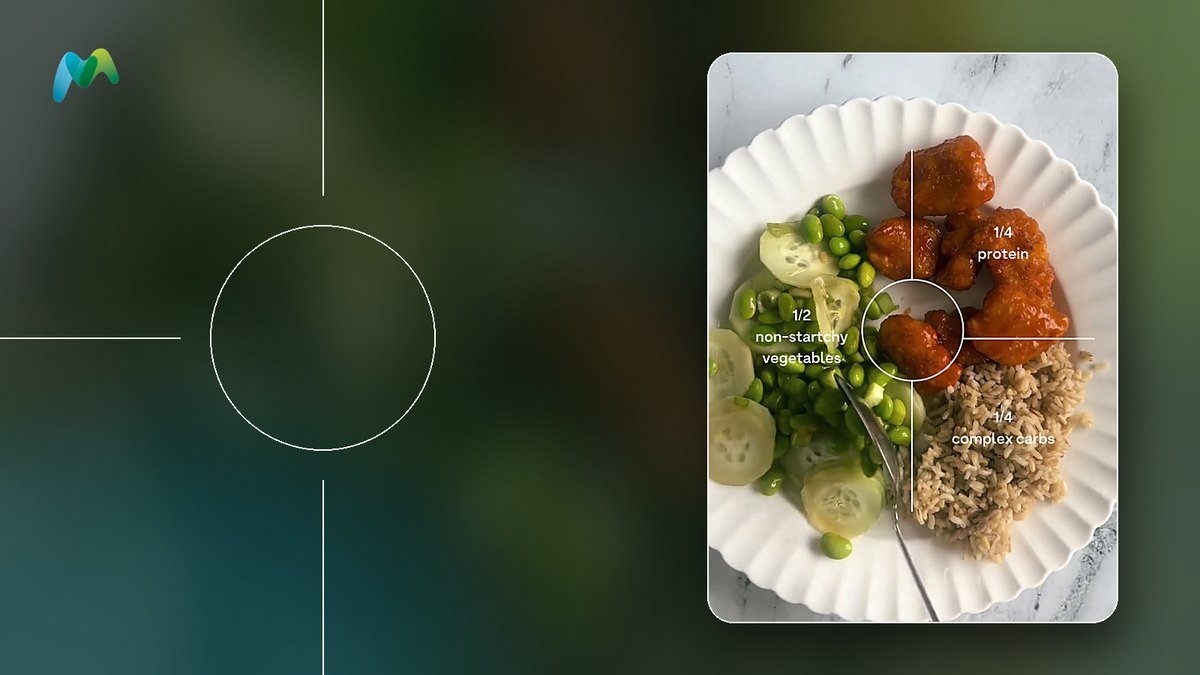
Protein, carbohydrate and fat
- Protein: 1.6–2.2 g per kg per day to support muscle growth.
- Carbohydrates: the main fuel for training and the easiest way to raise calories — rice, pasta, potatoes, oats, bread and fruit.
- Healthy fats: at 9 calories per gram, fats are a powerful way to add energy without adding volume — olive oil, nuts, peanut butter, avocado and tahini.
Practical tricks for small appetites
- Increase meal frequency rather than size: five to six smaller meals are easier than three huge ones.
- Drink your calories: homemade smoothies with milk, oats, peanut butter and banana add 500–700 calories with ease.
- Make food more energy-dense: a spoon of olive oil over rice, nuts on yoghurt, tahini on salad.
- Avoid lots of water right before meals, so your stomach isn't already full.
- Set meal reminders: slim people often forget to eat when busy.
- Keep snacks within reach: nuts, dates, cheese and yoghurt.
Weight-gain smoothie (about 700 calories)
- 1½ cups whole milk.
- 1 large banana.
- ½ cup oats.
- 2 tablespoons peanut butter.
- 1 tablespoon honey.
- Optional: 1 scoop protein powder.
Blend well and drink between meals or after training.
Sample day for healthy weight gain
- Breakfast: 3 eggs with cheese, wholegrain bread and avocado, plus a glass of milk.
- Snack: weight-gain smoothie.
- Lunch: chicken or beef with a generous portion of rice, a spoon of olive oil, and salad with tahini.
- Pre-workout: a cheese or peanut-butter sandwich with a banana.
- Post-workout: Greek yoghurt with oats, honey and fruit.
- Dinner: pasta with tuna or chicken and vegetables.
- Before bed: milk with a handful of nuts and a few dates.
Common weight-gain mistakes
- Relying on fast food and sweets: they do raise the scale, but they add belly fat and raise cholesterol.
- Using unknown "weight-gain" products or appetite pills without medical advice: some contain corticosteroids or drugs that cause fluid retention and real harm.
- Quitting after two weeks: healthy weight gain takes months of consistency, because building muscle takes time.
- Neglecting sleep: less than seven hours reduces recovery and muscle growth.
Weight gain for athletes
Some athletes need to gain weight to move up a weight class or to improve strength and contact ability in sports such as rugby, American football or wrestling. Here we plan gains in phases across the season and monitor performance and speed so the extra mass never hurts their game.
When should you see a specialist?
If your BMI is below 18.5, you have lost weight noticeably without a clear reason, you have tried repeatedly without success, or you have a stressful relationship with food, you need a specialist assessment. Unexplained weight loss should always be checked by a doctor first.
FAQ
Do I need supplements to gain weight? Not necessarily, but protein powder or a carbohydrate powder can make it easier to reach your calorie target if your appetite is small.
Should I stop doing cardio? There's no need to stop completely; light cardio is good for your heart and appetite — we simply account for the calories and add them back through food.
The bottom line
Healthy weight gain is a precise science: a calculated surplus of 300–500 calories, enough protein, frequent energy-dense meals, consistent resistance training, good sleep and patience. Done properly, the result is a stronger, healthier and more confident body.
Tried everything and still can't gain? Get in touch and we'll find the cause and build a plan that fits your appetite and your day.

A licensed sports and clinical nutrition specialist focused on athlete nutrition, competition preparation, post-injury nutritional rehabilitation, and nutrition for diabetes, liver disease and underweight clients.
Ask on WhatsApp ↗