Football Nutrition: What to Eat Before, During and After a Match
A practical nutrition plan for footballers: carbohydrate needs by training load, the pre-match meal, half-time fuelling and hydration, and post-match recovery.
Football is an intermittent, high-intensity sport: sprints, changes of direction, jumps and tackles repeated for ninety minutes or more. A professional player may cover 10–13 km in a match, including hundreds of metres of maximal sprinting. That effort depends heavily on muscle glycogen stores, which is why nutrition is not a side detail but part of the game plan.
Carbohydrate: the footballer's primary fuel
Glycogen is the stored form of carbohydrate in muscle and liver. When it runs low in the second half, sprint speed and the number of high-intensity efforts fall, and concentration, passing accuracy and decision-making decline. Many goals are scored in the final fifteen minutes — exactly when fatigue and fuelling make the biggest difference.
Carbohydrate needs vary with training load, an approach often called "fuelling for the work required":
- Rest day or light training: 3–5 g per kg.
- Moderate training: 5–7 g per kg.
- The day before a match and match day: 6–8 g per kg, rising to around 10 g per kg when carb loading.
A 75 kg player needs roughly 450–600 g of carbohydrate the day before a match — an amount many amateur players never reach.
Protein for recovery and muscle maintenance
Footballers need around 1.6–2.0 g of protein per kg per day, spread across 4–5 meals. Protein supports repair of muscle fibres after contact and sprinting and, over time, helps reduce the risk of muscle injuries.
The day before the match
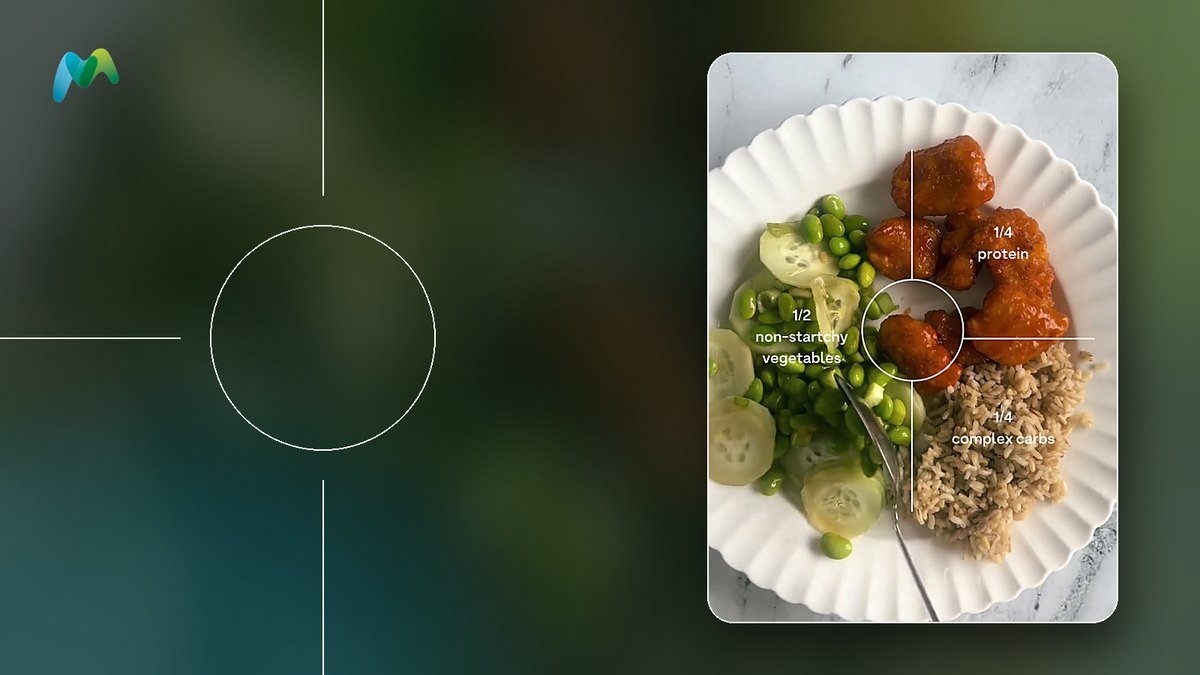
- Build meals around carbohydrate-rich foods such as rice, pasta, potatoes and bread.
- Limit fatty and fried foods, which are slow to digest.
- Reduce very high-fibre foods in the evening if you are prone to bloating.
- Drink water steadily throughout the day.
- Do not try any new foods.
The pre-match meal
Eat the main pre-match meal three to four hours before kick-off. It should provide 1–3 g of carbohydrate per kg, with moderate protein and little fat or fibre.
Examples:
- Pasta with chicken breast and a light tomato sauce.
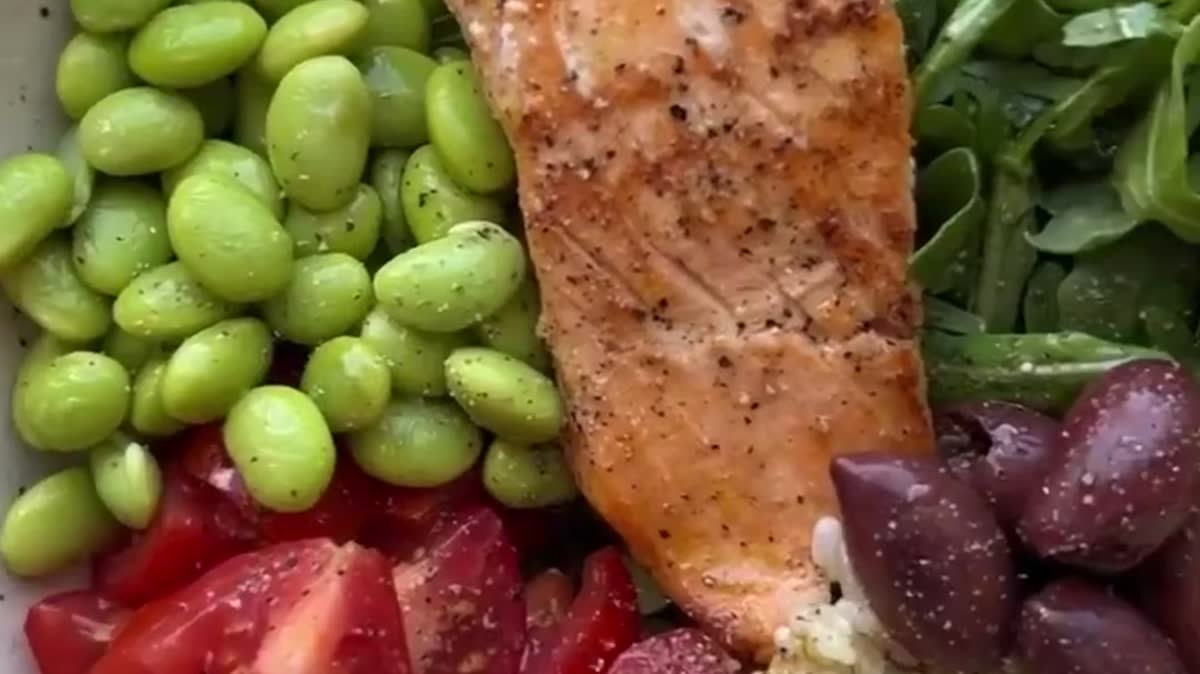
- Rice with grilled fish and cooked vegetables.
- Oats with milk, banana and honey plus eggs for a morning kick-off.
About 60–90 minutes before the match, a light, easily digested snack such as a banana, a few dates or toast with honey can top up energy, depending on how your stomach feels.
During the match and at half-time
- Drink according to need and during stoppages; aim not to lose more than 2% of body weight through sweat.
- In hot conditions, sports drinks containing carbohydrate and sodium help maintain performance.
- At half-time: a sports drink, a carbohydrate gel, banana pieces or dates providing about 30 g of carbohydrate support the second half.
After the match: the recovery window
Fast recovery is essential, especially when another match follows within 48–72 hours:
- Carbohydrate: about 1–1.2 g per kg per hour for the first few hours to restore glycogen quickly.
- Protein: 25–40 g in the post-match meal.
- Fluids: replace roughly 125–150% of the weight lost over the following hours, with sodium.
Quick post-match options: chocolate milk, a chicken sandwich with juice, or rice with meat and vegetables.
Hydration: the factor everyone neglects
Dehydration of just 2% of body weight can reduce performance and concentration. A simple monitoring method: weigh yourself before and after training — each kilogram lost equals roughly one litre of sweat. Pale urine is a good sign of adequate hydration.
Supplements that can help footballers
- Caffeine: 3–6 mg per kg about an hour before a match may improve performance and focus, but it must be tested in training first.
- Creatine: supports repeated sprints and strength.
- Vitamin D: based on blood tests, especially for players who train in the evening.
- Sports drinks and gels: for matches and long sessions.
Always choose certified products that are free of banned substances.
Youth players and academies
Young players need energy for growth as well as training, and cutting food in pursuit of "leanness" can affect height, bones and hormones. Our message to parents: what your child needs most is three regular meals and two snacks, a good breakfast before school, a meal after training and enough water — not supplements.
Position matters too
A box-to-box midfielder who covers the most distance has different fuel needs from a goalkeeper or a centre-back. Wide players and full-backs perform the most high-speed running and usually need the highest carbohydrate intake on match day, while goalkeepers need less total energy but still benefit from good timing of meals and hydration. That is why we build each player's plan around both position and the weekly fixture schedule.
Common mistakes
- Playing fasted or after a very small snack.
- Eating a heavy or fried meal just before the match.
- Relying on soft drinks instead of water and sports drinks.
- Skipping the post-match meal and staying up very late.
- Cutting carbohydrates all season in an attempt to lose weight.
FAQ
Can a footballer follow a keto diet? We don't recommend it in season: very low-carbohydrate diets reduce the ability to repeat high-intensity sprints and hurt second-half performance.
What should I eat for a late-evening kick-off? Make lunch your main carbohydrate-rich meal, have a medium meal about three hours before the match, and eat a recovery meal straight after, even if it is late.
Sleep and recovery
Seven to nine hours of sleep is a core part of recovery and is often the first thing disrupted after evening matches because of adrenaline and caffeine. A balanced recovery meal, less screen time and a warm shower before bed are simple habits that help players recover and perform at full capacity in the next game.
The bottom line
Footballers need carbohydrate matched to training load, adequate protein spread through the day, a pre-match meal three to four hours before kick-off, smart hydration and fast post-match recovery. These details are what make the difference in the final minutes.
Want a nutrition plan designed around your position and fixture list? Get in touch today.

A licensed sports and clinical nutrition specialist focused on athlete nutrition, competition preparation, post-injury nutritional rehabilitation, and nutrition for diabetes, liver disease and underweight clients.
Ask on WhatsApp ↗