Nutrition for Sports Injury Recovery: Heal Faster and Protect Muscle While You're Sidelined
Injury is not the time to under-eat. Learn your energy and protein needs during rehab and the role of collagen, vitamin C, creatine and omega-3 in recovery.
Injury is one of the hardest moments in any athlete's career. Training stops abruptly, and worries about losing fitness, losing muscle and gaining weight begin immediately. The most common reaction is to eat much less. Science says the opposite: the injury period is one of the times you most need well-planned nutrition, because your body is building new tissue and trying to hold on to muscle while you move less.
The stages of healing and what the body needs
Stage one: inflammation (the first days)
Inflammation is a normal and necessary part of healing — not an enemy to be eliminated completely. In this stage we focus on adequate energy, good-quality protein and antioxidant-rich foods such as colourful vegetables and fruit, plus healthy fats from fish, olive oil and nuts.
Stage two: repair and rebuilding
The body starts laying down new tissue, and demand rises for protein and micronutrients such as vitamin C, zinc and copper.
Stage three: remodelling and return to activity
The new tissue gradually strengthens with rehab exercise, and we start raising energy intake step by step as training load increases in preparation for return to play.
How many calories do you need when injured?
It is true that you move less, but healing itself costs energy, and requirements can rise noticeably after major injuries or surgery. Walking on crutches also increases daily effort. So the goal is not starvation but eating at roughly maintenance — a little less than during full training, yet far more than most athletes expect.
A large calorie deficit during injury slows healing and accelerates muscle loss, which is the last thing you want.
Protein: the first line of defence for muscle
When a limb is immobilised or underused, muscle starts to waste quickly, and athletes can lose a noticeable amount of muscle mass in the first few weeks. Adequate protein clearly reduces this loss.
The practical recommendation for injured athletes is 1.6–2.5 g per kg per day, spread over 4–6 meals, with an emphasis on leucine-rich sources such as eggs, dairy, chicken, fish and lean meat, plus a protein feed before bed.
Collagen and vitamin C: supporting tendons and ligaments
One of the most common questions is whether collagen helps. Promising research suggests that taking around 15 g of gelatine or hydrolysed collagen with about 50 mg of vitamin C, roughly 30–60 minutes before a rehab session or training, may increase collagen synthesis in connective tissue. This protocol is particularly relevant for tendon and ligament injuries such as ACL and Achilles injuries, and it works as part of a complete plan rather than a replacement for one.
Creatine during immobilisation
Creatine is not only for strength gains. Some studies suggest it may help reduce muscle loss during limb immobilisation and support faster recovery of strength during rehab. The usual dose is 3–5 g per day, after confirming normal kidney function.
Omega-3, vitamin D and calcium
- Omega-3: may help regulate inflammation and support muscle preservation; sources include oily fish such as salmon, sardines and mackerel.
- Vitamin D: deficiency is very common, even in sunny countries, and vitamin D matters for bone, muscle and immunity — so we test levels and correct any deficiency accordingly.
- Calcium: especially important for fractures; sources include dairy, sardines with bones and leafy greens.
Energy and bone injuries
Fractures need sufficient energy, protein, calcium and vitamin D to heal. Chronic low energy availability — known as relative energy deficiency in sport (RED-S) — is a recognised cause of recurrent stress fractures, especially in runners and female athletes. That is why we always assess eating habits before the injury to see whether they played a role.
What about body weight?
Concern about weight gain is understandable, and the solution is structure, not starvation:
- Reduce carbohydrates slightly to match lower activity.
- Keep protein high.
- Eat plenty of vegetables and fibre to increase fullness.
- Avoid emotional eating and processed snacks, which creep in during boredom and frustration.
- Track weight and measurements weekly with your nutritionist.
Working with the rehab team
The best outcomes come when the nutritionist works with the physician and physiotherapist as one team. Knowing rehab session times, for example, allows us to time the collagen protocol and protein meals, and knowing the return-to-play stage allows carbohydrates to rise gradually to support training load.
Sample day for an athlete recovering from ACL surgery
- Breakfast: eggs with cottage cheese, wholegrain bread, tomato and cucumber.
- 45 minutes before rehab: gelatine or collagen with a vitamin C source such as an orange.
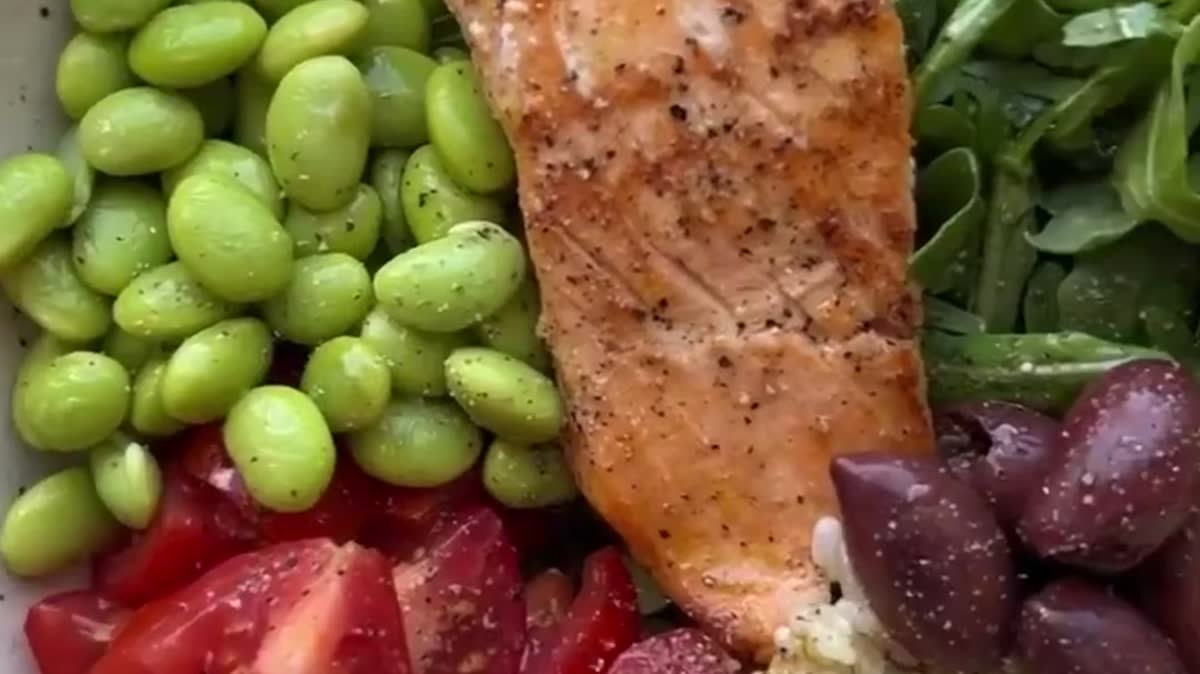
- Lunch: salmon with rice and sautéed vegetables.
- Snack: Greek yoghurt with nuts and fruit.
- Dinner: chicken breast with roasted potatoes and salad.
- Before bed: milk or cottage cheese.
Returning to play
As training intensity increases, we raise energy and carbohydrate intake gradually and reintroduce hydration protocols and pre- and post-training meals. The goal is not just to come back, but to come back with a stronger body, better composition and a lower risk of re-injury.
Mental health matters too
Injury often brings frustration, low mood and disrupted sleep, and these feed directly into eating habits — skipped meals on bad days, late-night snacking on others. Keeping a regular meal rhythm, prioritising seven to nine hours of sleep and staying connected with the team all support recovery. If low mood persists, speaking with a sports psychologist is a sign of professionalism, not weakness.
FAQ
Should I keep taking protein powder while injured? Yes, if it helps you reach your daily target — it is concentrated food, not a stimulant.
The bottom line
Injury is not the time for deprivation. Adequate energy, high protein spread across the day, smart support for tendons and bones, attention to vitamins, and coordination with the rehab team — that is the formula for faster recovery and a stronger return.
Note: take any supplement only after consulting your doctor or nutritionist, particularly if you are subject to anti-doping testing.

A licensed sports and clinical nutrition specialist focused on athlete nutrition, competition preparation, post-injury nutritional rehabilitation, and nutrition for diabetes, liver disease and underweight clients.
Ask on WhatsApp ↗