What to Eat Before and After a Workout: Meals and Timing for Peak Performance and Recovery
The best pre- and post-workout meals for your training time and goal — how many hours before to eat, how much carbohydrate and protein, and what to do if you train first thing in the morning.
Two of the questions we hear every day are "What should I eat before training?" and "Do I have to eat straight after?" The answer depends on three things: when you train, the type and intensity of the session, and your goal. In this guide we set out clear rules and practical examples that work for the gym, football, running and every other kind of training.
Why the pre-workout meal matters
The pre-workout meal has three jobs: supplying muscles with energy from carbohydrate, providing amino acids that reduce muscle breakdown, and preventing hunger and dizziness during the session. Training without enough fuel means weaker performance, which means less stimulus for your muscles and slower progress over time.
Timing determines the choice
The closer you are to training, the smaller and easier to digest the meal should be:
3–4 hours before: a full meal
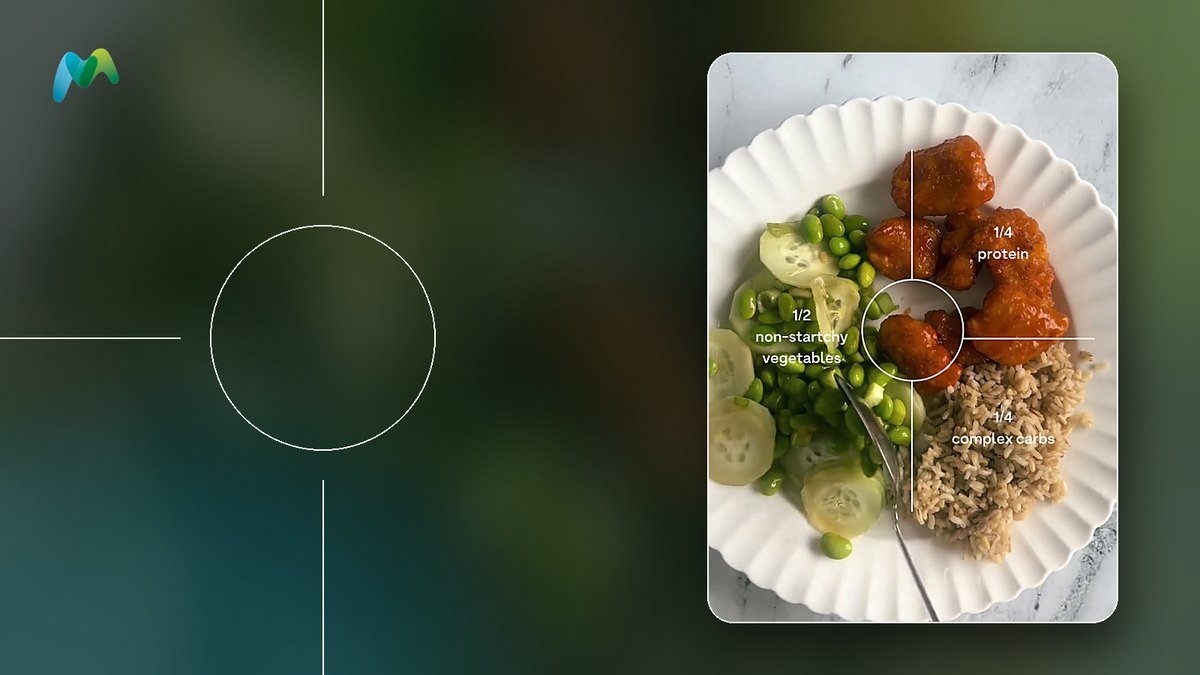
A balanced meal with complex carbohydrate, protein, moderate fat and vegetables.
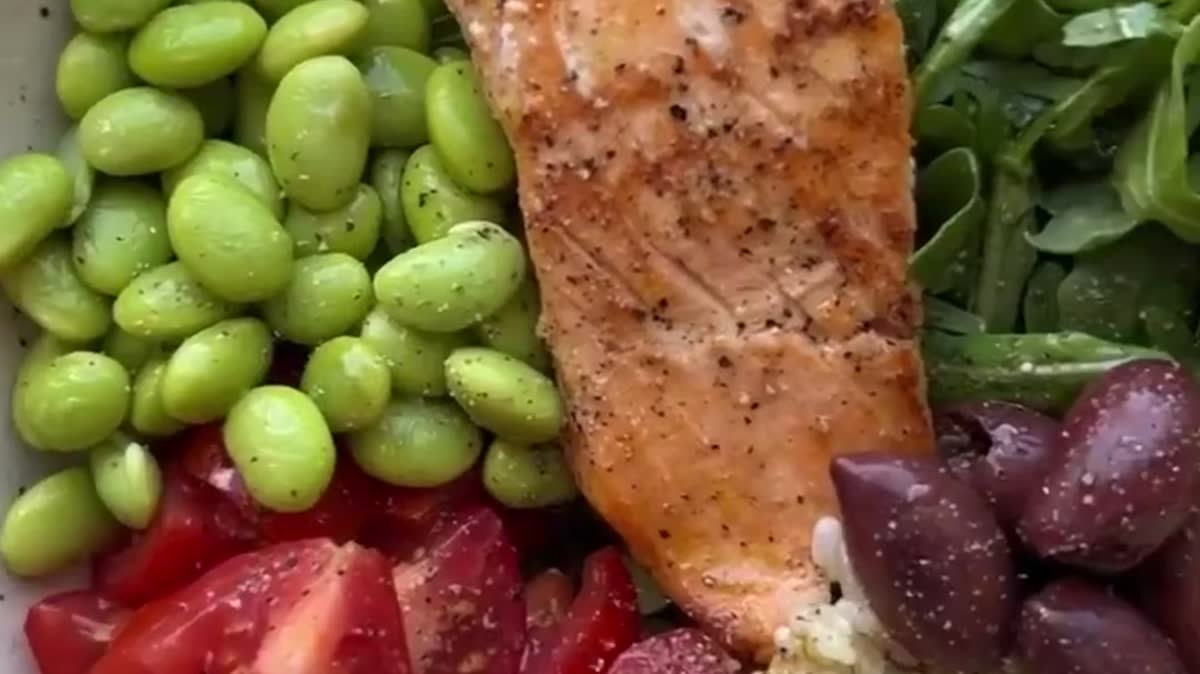
- Rice with chicken and vegetables.
- Pasta with lean minced beef and tomato sauce.
- Potatoes with fish and salad.
1–2 hours before: a medium meal
Easily digested carbohydrate with a little protein, and less fat and fibre.
- A cottage cheese or tuna sandwich.
- Yoghurt with oats and a banana.
- Toast with honey and a boiled egg.
30–60 minutes before: a quick snack
Fast, easy-to-digest carbohydrate only.
- A banana or two to three dates.
- A glass of fresh juice.
- A slice of bread or plain crackers.
How much carbohydrate before training?
The general recommendation is 1–4 g per kg of body weight, depending on how long before the session you eat and how demanding the session is. The longer the gap and the harder the session, the more you can eat. A light 45-minute workout does not need a large amount.
Can you train on an empty stomach?
Fasted morning training suits some people for light or moderate sessions such as walking or easy cardio. However, research does not show that it burns meaningfully more fat across the day compared with training after eating, as long as total calories are the same. For intense, long or heavy resistance sessions, performance is usually better after a meal or snack.
The compromise for early-morning training: a banana, a glass of milk or two dates about 30 minutes before, followed by a full breakfast afterwards.
What to eat after training
The post-workout meal aims to repair muscle and restore energy stores:
- Protein: 20–40 g depending on body size — about 0.3–0.4 g per kg.
- Carbohydrate: varies with session intensity and your goal, becoming more important if you train again later that day or the next day.
- Fluids: to replace sweat losses.
Examples:
- Chicken breast with rice and vegetables.
- Eggs with bread and cheese.
- Greek yoghurt with oats and fruit.
- Chocolate milk — a very practical post-training option.
- A protein shake with a banana when you're on the move.
Do you need to eat immediately after?
Not necessarily. If you ate a good meal two to three hours before training, you have a comfortable window of up to around two hours afterwards. But if you trained fasted, or have another session within 24 hours, it's best to eat as soon as possible.
By goal
If your goal is building muscle
Make sure both your pre- and post-workout meals contain protein, and don't cut carbohydrates around training — they support performance and recovery.
If your goal is fat loss
Place a good share of your daily carbohydrate around training, where the body uses it most, and reduce it in meals further away, while keeping protein in every meal.
If you play a team or endurance sport
Carbohydrate is the priority in both meals, with special attention to hydration and electrolytes.
Evening training and sleep
If you train in the evening, eating a full meal afterwards is fine even if it's late. Eating at night does not in itself cause fat gain — total daily intake is what counts. A moderate meal with protein and carbohydrate may even improve sleep quality and recovery. Just avoid very heavy meals and caffeine late in the day.
Pre-workout supplements
- Caffeine: 3–6 mg per kg about 45–60 minutes before training may improve performance, but it doesn't suit everyone and may disturb sleep after evening sessions.
- Creatine: timing doesn't matter much; daily consistency does.
- Pre-workout blends: many contain very high doses of stimulants or undeclared ingredients, so be very cautious.
Common mistakes
- Eating a heavy or fried meal right before training, leading to sluggishness and bloating.
- Training for two hours on an empty stomach and then wondering why performance dropped.
- Relying on energy drinks instead of real food.
- "Rewarding" the workout with an enormous meal afterwards.
- Neglecting water before and after training.
Putting it into practice
The simplest approach is to plan backwards from your training time. If you train at 6 pm, lunch at around 2 pm becomes your main pre-workout meal, a small snack at 5 pm tops you up, and dinner after the session becomes your recovery meal. Once this rhythm becomes a habit, you will notice more energy in training and less fatigue the next day.
FAQ
Is a banana the best pre-workout snack? It's an excellent option — easy to digest and rich in carbohydrate and potassium — but dates, toast with honey or juice work well too.
What if I feel sick when I eat before training? Try a small liquid snack such as juice or milk, leave a longer gap between eating and training, and reduce fat and fibre in that meal.
The bottom line
Your pre-workout meal depends on timing: a full meal 3–4 hours before, a medium meal 1–2 hours before, or a quick snack 30–60 minutes before. After training, aim for protein, carbohydrate and fluids within about two hours. Above all, what matters most is your total daily intake and the consistency behind it.
Want a meal plan built around your training time and goal? Get in touch today.
A licensed sports and clinical nutrition specialist focused on athlete nutrition, competition preparation, post-injury nutritional rehabilitation, and nutrition for diabetes, liver disease and underweight clients.
Ask on WhatsApp ↗